


Last Updated: November 5, 2026
Quick Summary
The best children's coloring activity books match the child's age, attention span, and fine motor control. Toddlers need large, simple shapes and short sessions, while early school-age children handle mazes, word searches, and finer detail. Look for a mix of coloring, puzzles, and story pages that share one theme.
- Toddlers need large outlines, one or two objects per page, and sessions of five to ten minutes.
- Preschoolers usually enjoy medium outlines, dot-to-dot, and simple mazes for ten to fifteen minutes.
- Early school-age children can handle multi-turn mazes, word searches, and hidden-picture pages with more objects.
- If a child finishes a page in under a minute, the book is likely too simple for them.
- A consistent theme and included crayons make a book feel complete and ready to use right away.
Table of Contents
- Why Children's Coloring Activity Books Work for Quiet Time
- How to Choose the Best Children's Coloring Activity Books by Age
- Coloring Books for Toddlers: What to Look For
- Simple Coloring Books for Kids Who Are Just Starting Out
- Activities Worth Looking For: Coloring, Puzzles and Story Pages
- Printable Children's Coloring Activity Books: Pros and Limits
- Pick a Winter Coloring Adventure With Fred the Super and Friends
- Frequently Asked Questions
Why Children's Coloring Activity Books Work for Quiet Time
Quiet time is one of the hardest parts of a busy day with young children. A coloring activity book gives small hands something to do, holds attention for a while, and lets a child settle without a screen. This guide starts with why these books work and how to pick one that fits your child.
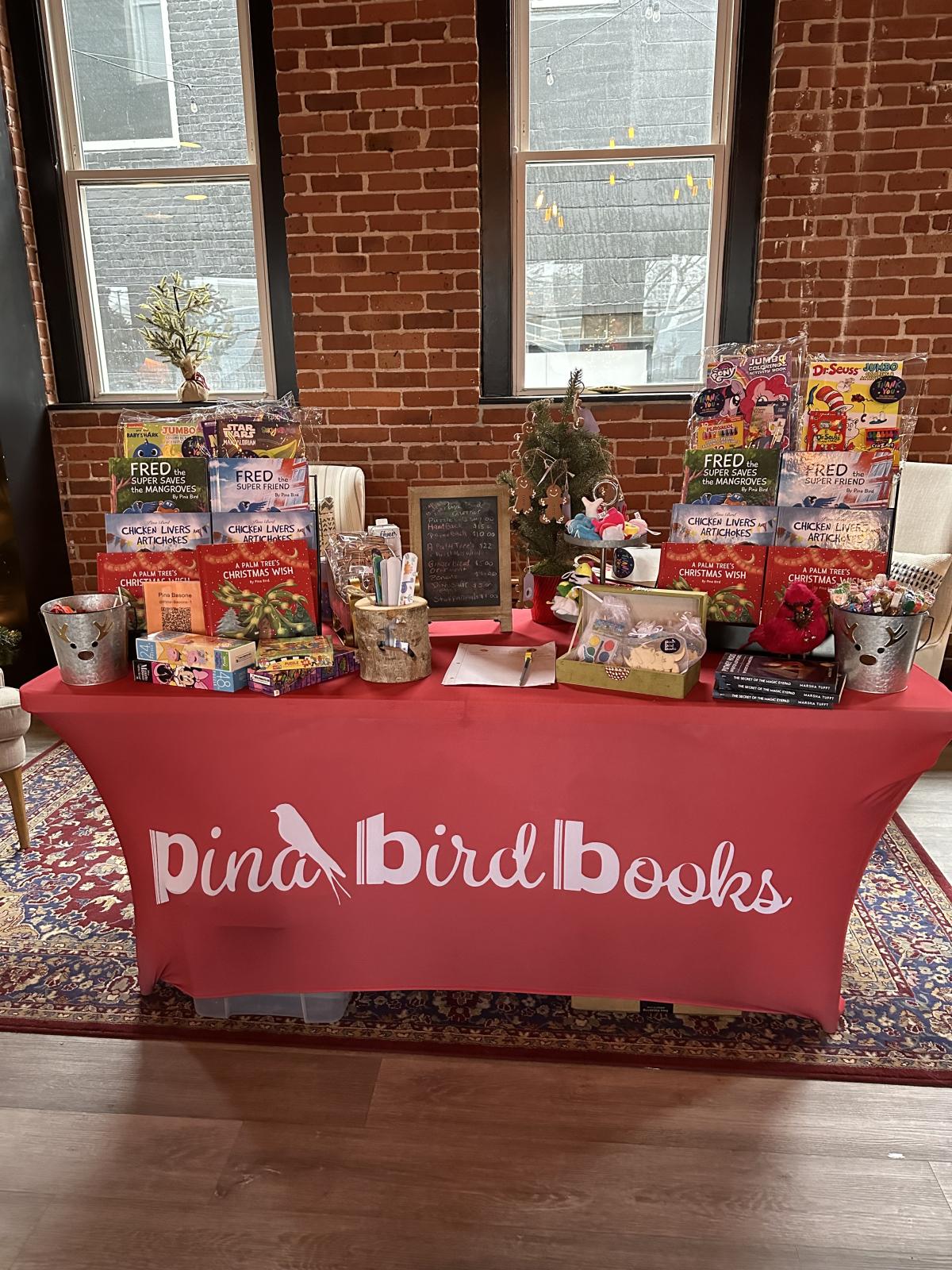
A good activity book does more than fill time. Coloring, puzzles and matching pages invite children to look closely and think.
How to Choose the Best Children's Coloring Activity Books by Age
The right book depends mostly on the child's age, attention span, and where they are with a crayon. A page that delights a four-year-old can feel dull to a seven-year-old, and a dense puzzle can frustrate a child who is still learning to grip. A useful way to choose is to match three things at once: how much fine motor control the child has, how long they can stay with one task, and how complex the activities are. Here is how that plays out age by age.
Toddlers (about 18 months to 3 years)
At this stage, coloring is really about exploration. Children are learning to hold a crayon with a whole fist and to make marks on purpose. Look for very large shapes, thick outlines, and just one or two objects per page. Familiar subjects like animals, balls, and everyday objects are easiest to recognize. Sessions tend to run five to ten minutes, so a book with many simple pages works better than a few dense ones. Chunky crayons and sturdy pages that tolerate enthusiastic scribbling are practical choices.
Preschoolers (about 3 to 5 years)
Preschoolers are starting to color with more control and to enjoy a little variety. Pages with medium-size outlines, a few more details, and simple extras like dot-to-dot or a basic maze fit well here. Attention spans stretch to roughly ten to fifteen minutes. This is also a good age for books that pair coloring with a tiny matching game or a hidden picture, because children enjoy the hunt and the sense of accomplishment.
Early school-age children (about 5 to 8 years)
Children in this range can handle finer detail, longer activities, and more complex puzzles. Mazes with several turns, simple word searches, and hidden-picture pages with more objects keep them engaged. Attention spans often reach twenty minutes or more when the activity feels like a challenge rather than a chore. A book that mixes coloring with puzzles grows with the child as their skills develop.
Older children (about 8 and up)
Older kids often want more intricate designs, themed scenes, and puzzles with real problem-solving. Detailed coloring pages, logic puzzles, and word games suit them. At this age, the book becomes a quiet-time or travel companion rather than a simple introduction to coloring.
A quick rule of thumb: if a child finishes a page in under a minute and moves on, the book is probably too simple. If they give up after a few strokes, it is probably too detailed. The sweet spot is a page that takes a little effort but ends in a finished picture they are proud of.
Coloring Books for Toddlers: What to Look For
Toddler coloring books work best when they are simple and forgiving. Choose pages with bold outlines so small hands can stay inside the lines more easily. Avoid books packed with tiny spaces, since they can lead to frustration rather than focus.
Look for a book that includes its own crayons or pairs well with a crayon set. Having the right tools on hand means your child can start right away. Keep the session short, around ten to fifteen minutes, and let your child choose when to stop.
Simple Coloring Books for Kids Who Are Just Starting Out
If your child is new to coloring, start with a book that has a clear theme and large, open spaces. A winter adventure book, for example, gives children familiar images like snowflakes, animals, and cozy scenes to color. Familiar subjects make it easier for a child to decide where to start.
Praise the effort rather than the result. Early coloring is about exploring colors and getting comfortable with a crayon, not producing a perfect picture. Hang up a few finished pages and let your child see that their work matters.
Activities Worth Looking For: Coloring, Puzzles and Story Pages
Variety is what keeps an activity book useful past the first rainy afternoon. But not all variety is equal. The most helpful books sequence activities so a child can warm up with coloring, then move into a puzzle that uses the same theme, then finish with something creative. That flow matters more than a long checklist of activity types.
Fred the Super and Friends Winter Adventure Coloring & Activity Book + Crayons →
Coloring pages
Coloring is the anchor. Look for a mix of large, open areas and a few more detailed pages. A consistent theme, such as animals, seasons, or a favorite character, helps children decide where to start and keeps the book feeling like one adventure rather than a random stack of pages.
Matching games and hidden-picture pages
These build visual discrimination, the skill of noticing differences and similarities. For younger children, a hidden picture with three or four objects is plenty. Older children enjoy pages with more objects and trickier placement. Matching games work well as a bridge between coloring and puzzle time because they feel like play rather than work.
Mazes and dot-to-dot
Mazes support planning and persistence, and dot-to-dot reinforces number order and hand control. Simple mazes with wide paths suit preschoolers, while multi-turn mazes fit early school-age children. Dot-to-dot pages that count to ten or twenty are a gentle way to blend early math with coloring.
Word searches and simple word puzzles
Word searches introduce letter recognition and patience. For children just learning to read, short words and a small grid are easier to scan. Older children can handle longer words and larger grids. These pages are especially useful for quiet time because they reward focus.
Story pages
A few pages that tie the pictures to a short narrative can turn a solo activity into a shared moment. A child colors a scene, then a grown-up reads a line or two about what is happening, and the two of them talk about it. This is where an activity book can connect to the picture books a family already loves.
Watch out: a book that lists many activity types but repeats the same three or four page designs will feel stale quickly. Flip through to check that the variety is real, not just on the cover.
The article describes several activity types a good book should include, and this table sums up what each one builds.
| Activity | Best for | Key skill |
|---|---|---|
| Coloring pages | Starting out and all ages | Hand control and focus |
| Matching and hidden pictures | Younger children and bridge play | Visual discrimination |
| Mazes and dot-to-dot | Preschoolers and early school age | Planning and number order |
| Word searches | Early readers and quiet time | Letter recognition and patience |
| Story pages | Shared moments with a grown-up | Connecting pictures to narrative |
Printable Children's Coloring Activity Books: Pros and Limits
The limits are worth knowing. Printed pages can be flimsy, they often need a printer and paper on hand, and they rarely come with a cohesive theme or a set of activities across pages. A bound book with a consistent theme and included crayons offers a more complete experience, especially as a gift.
Pick a Winter Coloring Adventure With Fred the Super and Friends
If you are looking for a bound, ready-to-use option for winter breaks or cozy days at home, the Fred the Super and Friends Winter Adventure Coloring & Activity Book + Crayons from Pina Bird Books brings Fred and his friends into a snowy adventure. The book is filled with pictures to color, games and creative activities, and a pack of colorful crayons is included so it is ready to enjoy right away.
It is also a fun gift for winter breaks, holidays and cozy days at home. You can explore the Fred the Super and Friends Winter Adventure Coloring & Activity Book to see the pages and the crayon set before you buy.

Frequently Asked Questions
What are the most popular coloring books for kids?
Popular choices tend to be books with familiar characters, clear outlines and a mix of coloring with simple games. Look for thick, sturdy pages that handle crayons and markers well, and check whether the book suits your child's age. Themed books, such as the Fred the Super and Friends Winter Adventure Coloring & Activity Book + Crayons from Pina Bird Books, bring a winter adventure theme to the pages. Reading reviews from other parents can also help you find books that hold a child's interest.
How do I choose a coloring book for my child's age?
Start with the level of detail. Toddlers do best with large, simple shapes and bold outlines they can fill without frustration. Preschoolers can handle more detail, and early school-age children often enjoy mazes, word searches and hidden pictures alongside coloring. Consider your child's fine motor skills too. If they are still developing grip and control, choose wider spaces and fewer tiny sections. A book slightly challenging for your child is usually better than one that bores them.
What activities should a children's coloring book include?
A well-rounded children's coloring activity book usually mixes coloring pages with simple puzzles, matching games and hidden-picture activities. This variety helps children practice early literacy, counting, attention and problem-solving. Story-based pages can also encourage creative thinking. Pick a book where the activities match your child's current interests, so the book feels like play rather than homework.
Are printable coloring activity books a good option for kids?
Printable books can be a convenient, low-cost choice, especially for trips or rainy days, and they let you print extra copies of a favorite page. The tradeoff is the need for a printer and supplies. A bound book with its own crayons, like the Fred the Super and Friends Winter Adventure Coloring & Activity Book, is ready to use right away.
