


Last Updated: November 7, 2026
Quick Summary
Calming bedtime activities for anxious kids give a racing mind something steady to focus on, from flower and candle breathing to quiet coloring, gentle stretches, and a soft bedtime story. Keep the routine short, predictable, and in the same order most nights, and stop any activity that ramps your child up instead of settling them.
- A visual schedule with simple pictures for each step can give an anxious child a sense of control.
- Flower and candle breathing means breathing in slowly through the nose and blowing out gently five times.
- Finish the bath about thirty to forty-five minutes before lights out so your child is not warm and alert.
- Start calming music during the story, not after lights out, so the sound is already familiar.
- If nighttime anxiety is intense or affects sleep and daytime mood for weeks, talk with your pediatrician.
Table of Contents
- Why Anxious Kids Need a Different Kind of Wind-Down
- Building a Bedtime Routine for an Anxious Child
- 1. Breathing Exercises: Kids' Breathing Exercises for Sleep
- 2. Bedtime Stories for Anxious Kids
- 3. Quiet Play: Drawing, Coloring, and Puzzles
- 4. Gentle Yoga and Relaxation Stretches
- 5. Warm Baths, Light Snacks, and Other Soothing Sensory Activities
- 6. Calming Music and Ambient Sounds
- When an Activity Makes Things Worse, and When to Get More Help
- Frequently Asked Questions
Why Anxious Kids Need a Different Kind of Wind-Down
Calming bedtime activities for anxious kids work differently than they do for easy sleepers. A child with nighttime anxiety is not simply resisting sleep. Their body is on alert, and a rushed "lights out" can feel like being left alone with a worry that has no off switch. Many parents have tried the standard advice and found it doesn't fit a child whose mind races at 8 p.m.
How nighttime anxiety shows up in children
Nighttime anxiety in children often looks like stalling, repeated requests for water, sudden aches, or questions that start the moment the lights go down. Some children get clingy and tearful. Others become restless and silly, which can look like not being tired when it is really a nervous system that cannot settle.
Watch out: telling an anxious child to "just close your eyes and stop worrying" tends to backfire. It gives them a command but no tool.
Building a Bedtime Routine for an Anxious Child
A predictable routine is the foundation of every calming bedtime activity that follows. Children who know what comes next spend less energy bracing for surprises, and that frees up room to relax. The routine does not need to be long.
A visual schedule on the bedroom wall with simple pictures for each step can help. A child who can see "bath, pajamas, teeth, story, lights out" may feel a sense of control that quietens worry.
A ready-to-use bedtime sequence
Here is a sequence you can start tonight. Adjust the timing to your child, but keep the order steady.
| Step | Activity | Time | Why It Helps |
|---|---|---|---|
| 1 | Dim the lights and put screens away | 10 min | Signals the body that the day is ending |
| 2 | Warm bath or wash-up and pajamas | 15 min | Warmth and routine soothe the senses |
| 3 | Light snack and tooth brushing | 10 min | Meets a real need before it becomes a stall tactic |
| 4 | Quiet play or coloring | 15 min | Lets busy hands slow a busy mind |
| 5 | Breathing exercise together | 3 min | Gives the child a tool for the body |
| 6 | Bedtime story in bed | 10 min | Shifts attention from worry to story |
| 7 | Bedtime chat, then lights out | 5 min | Closes the day with connection, not commands |
Keep the bedtime chat short and warm. One question like "What was the best part of today?" is enough. Long conversations at bedtime can wake a child up rather than settle them.
Time for each step in a bedtime sequence
1. Breathing Exercises: Kids' Breathing Exercises for Sleep
Kids' breathing exercises for sleep are simple, physical tools that slow the body down. The goal is not perfect technique. It is giving your child something to do with their breath when their thoughts start spinning.
Flower and candle breathing is the easiest to teach.
For a child who resists "breathing exercises," rename it. Call it "balloon breaths" or "blowing up the sleepy balloon." The label matters less than the slow exhale.
2. Bedtime Stories for Anxious Kids
Bedtime stories for anxious kids do more than pass the time.
Choose stories about safety, friendship, and belonging rather than suspense or big feelings right before sleep. Our picture book Fred the Super Friend follows a kind neighbor who looks after his building and the people in it, which gives children a calm picture of a world where someone is always nearby. For a child who worries about being safe and settled, Fred the Super: A Home for Freida tells the story of a tiny egg that grows up protected, cared for, and loved.


Both books are signed by the author. Every book order comes with a complimentary plushie, which gives a child something soft to hold while you read.
3. Quiet Play: Drawing, Coloring, and Puzzles
Quiet play is one of the most underrated calming bedtime activities.
Keep the choices small. A basket with two or three options is enough. Too many choices at bedtime creates decisions, and decisions create delay.
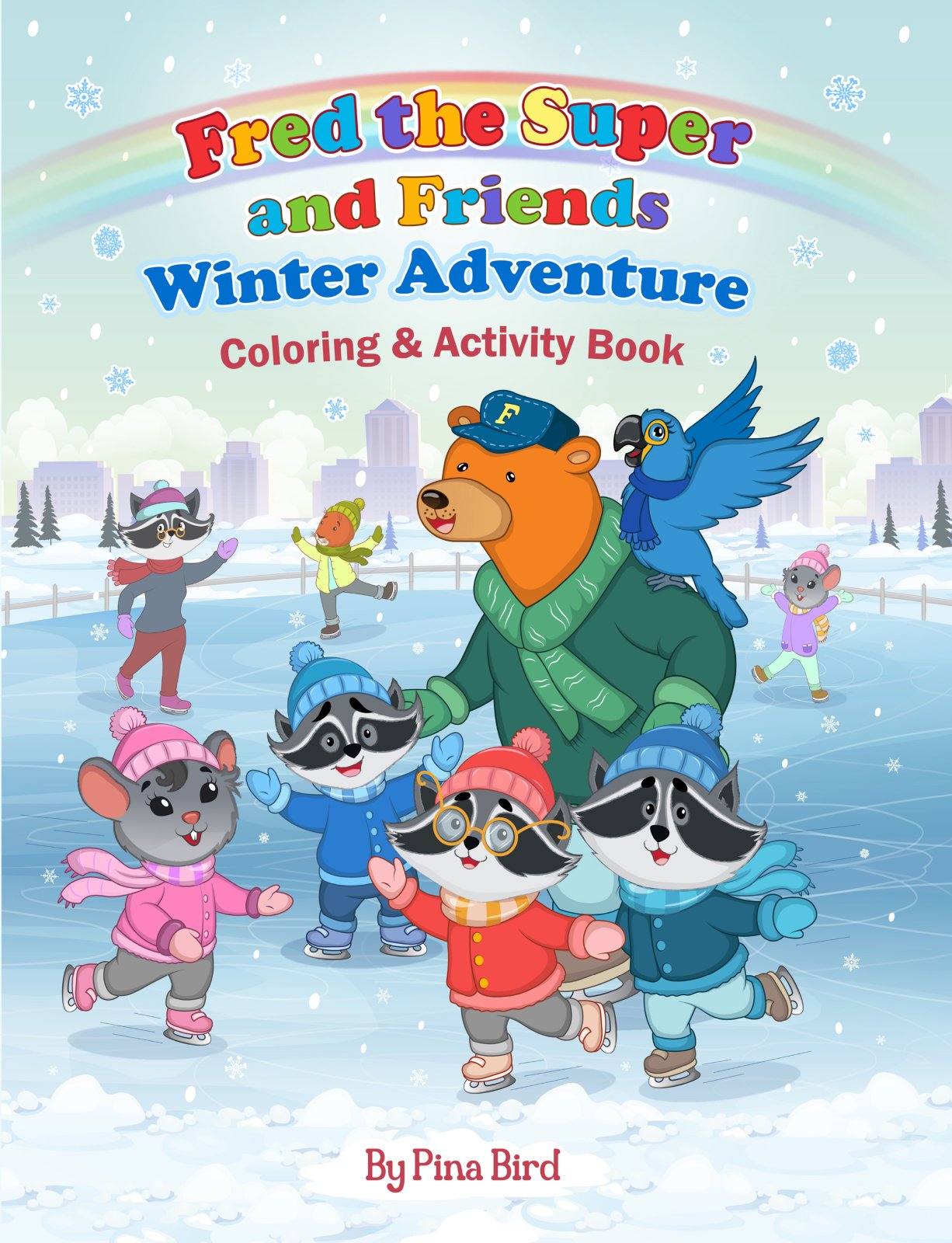
Coloring is especially useful for a child who finds talking about worries difficult. Our Fred the Super and Friends Winter Adventure Coloring & Activity Book comes with crayons included, so it is ready to use on the first night, and its coloring pages and games can suit a quiet wind-down.

Watch out: avoid exciting or competitive games at this stage. A game with a winner can end in tears and undo the calm you just built.
4. Gentle Yoga and Relaxation Stretches
Gentle stretching can help a child notice their body and let it loosen. You do not need a mat or a class. A few simple poses on the bedroom floor or even on the bed work well.
Try these three, holding each for a few slow breaths:
- Starfish stretch: arms and legs wide, then curl into a ball and repeat.
- Butterfly: soles of the feet together, knees soft, gentle fluttering.
- Child's pose: knees under the body, forehead down, arms resting forward.
Do the stretches alongside your child. Children copy what they see far more readily than what they are told. Keep the tone playful and quiet rather than instructional.
Adapting stretches by age
Toddlers and preschoolers do best with movement framed as a game. Turn starfish into "make yourself as big as the ocean, now as small as a pebble," and let them giggle. Two or three poses is plenty, and stopping while it is still fun matters more than finishing a set.
School-age children from about six to eight can follow a short sequence and often enjoy naming the poses themselves. This is also the age when a child may want to choose the order, which gives a sense of control that quietens worry. Older kids may prefer a slower, quieter version and can be invited to notice where their body feels tight and breathe into that spot.
Matching stretches to the worry
A child who is physically restless, the kind who kicks and thrashes at lights out, tends to settle with bigger, heavier movement first, like starfish and ball, before finishing with child's pose.
Watch out: some children find touch and closing their eyes uncomfortable, especially when anxious. Offer a version with eyes open and no hands-on guidance, and let the child lead.
If your child dislikes stretching altogether, do not force it.
5. Warm Baths, Light Snacks, and Other Soothing Sensory Activities
Sensory activities can help some children through touch, warmth, and movement, particularly when anxiety shows up as restlessness. A warm bath is a common example.
A light snack can fit here too. A small, familiar snack before brushing teeth may meet a real need and remove one more reason to get out of bed. Keep it simple and predictable.
Heavy work is another option some parents try. Pushing, pulling, or carrying something with gentle effort may help settle a child's body.
Timing the bath and snack
Aim to finish the bath about thirty to forty-five minutes before lights out. A bath that ends right at bedtime can leave a child warm and alert rather than sleepy, and damp hair and a cool room can undo the calm. Keep the water comfortably warm rather than hot, dim the bathroom light, and let the bath be quiet rather than a splash session.
Sensory activities for different children
Some children seek sensation and settle with firm pressure, deep squeezes, and heavy blankets. Others are sensitive and find tags, seams, bright lights, or strong smells overwhelming at bedtime.
A few low-effort sensory ideas that fit the wind-down:
- A warm washcloth on the hands and face instead of a full bath on rushed nights.
- A slow back rub or hand squeeze with firm, steady pressure.
- A weighted blanket or a firmly tucked blanket, if your child likes the feeling of being held.
- A calm, familiar scent, such as lavender, only if your child already likes it.
Watch out: never introduce a new sensory item, scent, or texture at bedtime. New sensations draw attention and can wake a child up rather than settle them. Stick with what your child already knows and likes.
6. Calming Music and Ambient Sounds
Calming music and ambient sounds give a child something steady to listen to instead of the silence that lets worries get loud.
Keep the volume low and the light dim. If your child shares a room or the house is noisy, a small speaker or a sound machine can mask the sounds that keep them alert.
One practical tip: start the music during the story, not after lights out. That way the sound is already familiar and comforting when the room goes dark.
When an Activity Makes Things Worse, and When to Get More Help
If an activity ramps your child up instead of settling them, stop and simplify. Some children find music stimulating rather than soothing, and some find stretching playful rather than calming. Swap the activity rather than pushing through. The routine should flex, not break.
If your child's nighttime anxiety is intense, frequent, or affecting their sleep and daytime mood over weeks, talk with your pediatrician. You can also ask about children's mental health guidance from the CDC's page on children's mental health and read up on sleep in childhood through the American Academy of Pediatrics' HealthyChildren sleep guidance.
The hardest part of bedtime with an anxious child is not finding activities. It is holding the routine steady on the nights it feels like it isn't working. That is where Pina Bird Books can help.
Frequently Asked Questions
What are calming bedtime activities for kids?
Calming bedtime activities are quiet, predictable things a child does in the hour before sleep to help their body and mind slow down. Good options include breathing exercises like flower and candle breathing, gentle stretching, a warm bath, coloring or puzzles, soft music, and a bedtime story. The goal is not to tire a child out but to lower stimulation and signal that sleep is coming. Pick two or three that fit your child's age and temperament and repeat them in the same order each night.
How long should a bedtime routine for an anxious child be?
Most families do well with a routine of about 20 to 30 minutes, plus the time needed for pajamas and tooth brushing. A short routine is easier to keep consistent, and consistency matters more than length for an anxious child. A simple sequence might be bath, pajamas, one story, a few slow breaths, and lights out. If your child needs more time to settle, add a quiet activity earlier in the evening rather than stretching the final steps late into the night.
Do bedtime stories really help anxious children relax?
Stories can help because they give a child something gentle to focus on instead of their worries, and the sound of a parent's voice is soothing. Choose stories with warm, reassuring themes and calm endings rather than exciting plots. A story about friendship, kindness, or feeling safe gives you a natural opening to talk about your child's day. Keep the last story short and quiet so it leads into sleep rather than requests for one more chapter.
What should I do if a calming activity makes my child more upset?
Stop the activity and switch to something simpler, like sitting together quietly or dimming the lights. Some children become more distressed when asked to close their eyes or breathe on command, so offer choices instead of instructions. If a particular activity consistently increases distress, drop it from the routine for a few weeks. If your child's nighttime anxiety is intense, lasts most nights, or affects their sleep and daytime mood over time, talk with your pediatrician about next steps.
